
The Land Has Eyes: Q+A with Jeannette Paulson Hereniko
The Land Has Eyes (Te Maka Productions, 2004) was an extraordinary filmmaking experiment: the first (and so far only) feature film made on the remote Fijian island of Rotuma, largely with people from the island, many of whom had never acted or even seen a film before. Written and directed by Rotuman filmmaker Vilsoni Hereniko and produced by his wife, Jeannette Paulson Hereniko, the film premiered at Sundance and became Fiji’s first Academy Award submission. But for Jeannette, the film’s most meaningful journey happened after production, when the filmmakers brought it back to Rotuma and watched audiences see themselves on a screen for the first time.
We spoke with Jeannette about learning to let go of her assumptions as a producer, the responsibility of making films across cultures, and why she believes filmmakers should always bring their stories home.
Q. For readers who haven’t seen the film, what is The Land Has Eyes about, and how did the project come together?
The film is set on Rotuma, which is a remote and small island in the South Pacific. My husband grew up there, and he wrote and directed the film based on the culture, stories, and people he knew. The film tells the story of a young woman fighting to protect her family, her culture, and her right to determine her own future. For me, making the film was about learning how to let go of my own assumptions about what a producer should do. I was working in another culture, and I had to learn to listen and to understand that the way I might approach something wasn’t necessarily the way it should be approached there.
Q. What did making a film in a culture that was not your own teach you about storytelling?
We were invited to more than 30 international film festivals, and it was fascinating to see how differently people reacted to it. What was funny in one culture wasn’t funny at all in another. But I kept thinking about Rotuma. This was their culture. These were their people. They should be the first people to see it.
Q. What happened when you finally brought the film back to Rotuma?
Rotuma didn’t have a movie theater, and many people had never seen a film before. We took the film to different villages and put sheets up for screens. People would walk miles from one village to another to see it again. At first they were reacting to the medium itself, because they had never experienced it. Then they started reacting to what the story was saying. There is something incredibly powerful about people seeing their own people, their own language, and their own culture on a screen. It wasn’t just watching a movie to them. They were seeing themselves.
If you're making a film in another culture, you need to involve them in the making of it. And then, you need to bring it back to the people whose culture you're depicting. Don't just make the film and take it somewhere else. Go back. Show it to them.
Jeannette Paulson Hereniko
Q. The film also gave a young Rotuman actress an experience she’d never had before. What do you remember about her journey?
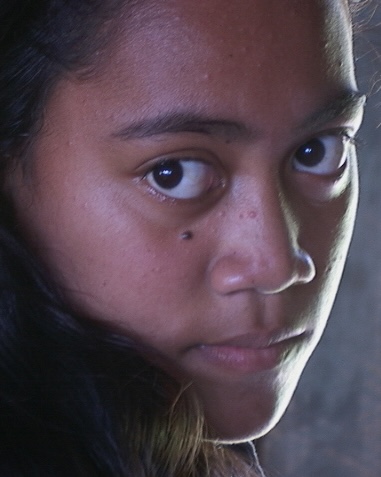
The lead actress, Sapeta Taito –who’s phenomenal in the film– when we asked her to come to an audition after school, she thought she was being punished! She was only 14, and she had never seen a film before. Then suddenly she was in a movie and traveling to Sundance for the world premiere. She’d never left the island, never heard of Sundance. There were so many firsts for her. She handled the new experiences with ease. Now she’s a doctor in Fiji, and we remain in touch with her. It’s been so meaningful to watch her life evolve after this experience.
Q. Did you see the film change anything beyond that first experience?
Definitely. Some people became celebrities on the island. But I think what it really did was open up the world of cinema to them. The villain in the film, who is a successful doctor in Fiji, restored an old theater on the island. So now Rotuma has a movie theater. They’re connected to the rest of the world through film, but they also have pride for their own culture because they saw it on the screen: their first movie, in their own language, with their own people.
Q. What do you think filmmakers need to consider when they’re telling stories rooted in another culture?
If you’re making a film in another culture, you need to involve them in the making of it. And then, you need to bring it back to the people whose culture you’re depicting. Don’t just make the film and take it somewhere else. Go back. Show it to them. Listen to what they think. Let them see themselves. I realized you can read and read and read, but until you actually live somewhere, you don’t really understand. I was there for three months and didn’t speak the language. It was the hardest and the best time of my life.
Q. Tell us about The Wild Wisdom Project, your new initiative.
For the last 40 years, I’ve concentrated on other people’s stories and highlighting them. I finally decided that at my age, I better tell my own story. I’m 86, and I think I have something to say. I’m doing performances and vignettes about my life, about the progress women have made, about immigration and my family’s history. It’s really become a kind of legacy for me, and hopefully, in some way, it can bring people closer together and help us understand each other. The Wild Wisdom Project is a book, audiobook and YouTube channel: More than 25 vignettes written as performance pieces to read, hear, see, speak aloud, and let linger.
An ecosystem where artists bring stories to life, funders believe in the power of stories, and partners connect audiences with stories.
Request invitation to join the 3Roots Community to receive updates on upcoming events, select film opportunities, and our newsletter!
For questions or inquiries, we would love to hear from you at Contact@3Rootsmedia.com