
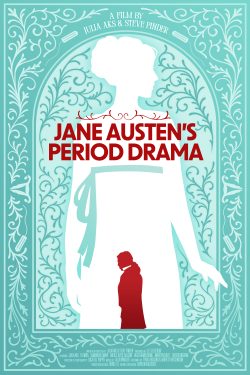
Jane Austen's Period Drama:
Q+A with Elli Legerski
What if one of the best ways to talk about period stigma was to make people laugh? That’s part of the magic of Jane Austen’s Period Drama, a short comedy set in the world of Jane Austen that takes aim at the shame and discomfort surrounding menstruation. The short film went from an unexpected producing opportunity to an Oscar run, and is now finding a second life with schools, women’s health organizations, reproductive-rights groups and audiences far beyond the film-festival circuit.
We spoke with producer Elli Legersky about why the script won her over, what happens when comedy gives people permission to open up, and why sometimes a good laugh can be the beginning of a much bigger conversation.
Q. You almost said no to this film. What made you change your mind?
A friend told the filmmakers about me, and they reached out. At the time, I was like, “Oh, I’m not really into doing short films anymore.” And then I read the script and absolutely fell in love with it.
It was so rare for a script to make me laugh out loud by myself and completely lose myself in it. I remember thinking, “Oh, this is good.” Then I had a call with the directors because I wanted to know who they were and whether I thought they could pull it off. After that conversation, I was like, “Oh yeah, these are amazing people.” It all just came together.
Q. You’re not exactly a lifelong Jane Austen fan. So why did this particular world work so well for a film about periods?
I had never been a Jane Austen girlie. I had never read the books, and I’d only seen the Keira Knightley Pride and Prejudice. So at first I thought, “This might not be for me.”
But the comedy is so universal, because everybody knows that universe by proxy. The dashing Mr. Darcy, all of these conventions. We know them from our culture, whether or not we’ve actually read the books. I loved the idea of taking this world that everyone is comfortable with and mixing it with something that a lot of people are very uncomfortable talking about. That felt like such a brilliant way to have really important conversations without making the film feel like a lecture.
Q. What can comedy do that a more serious film about menstruation might not be able to?
The biggest thing we’ve seen is that people immediately loosen up. Whether we’re at a film festival or the End Period Poverty Awareness Week conference, people will come up to us and tell us these really harrowing, heartbreaking stories. It’s almost like because they’ve been able to laugh about it, something gets shaken loose and they suddenly feel comfortable talking about it. Sometimes you can tell they don’t really talk about this with anybody else.
And then we hear these really small but significant stories, like someone saying, “We watched it with our family, and it was the first time I ever heard my grandpa say the word period,” or, “It was the first time I ever heard my dad talk about a period.” Those moments are huge because that’s where stigma and shame begin—in our own immediate surroundings as we’re growing up.
That’s been the best part of making the movie: hearing people say that they finally feel like they can talk about something they’ve been afraid of, uncomfortable with, or simply haven’t had the right space to discuss.
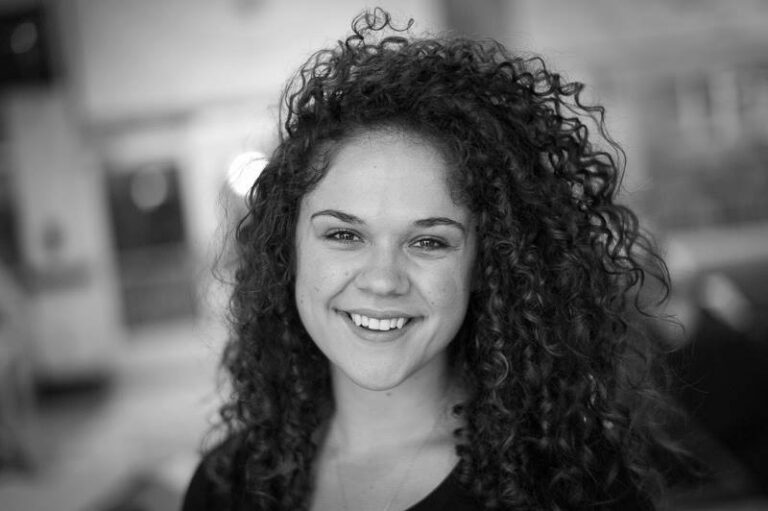
Elli Legerski
Q. What do you wish more people understood about menstruation and women’s health?
That it is happening around us all the time, every single moment of every single day. Someone has PCOS, someone is going through menopause, someone is having a horrible period and doesn’t feel like working or even talking. All of that is just happening all the time. I remember the beginning of my own menstruation and feeling so humiliated. I wish I hadn’t grown up in a space where I felt ashamed to even talk about it with my school nurse. And that’s still so persistent today.
I wish people would believe menstruators when they say they’re in crippling pain or having a traumatic experience. My biggest hope is that it just stops being something we feel we have to be quiet or ashamed about. It doesn’t need to be talked about all the time, but when people want to talk about it, they should be able to.
Q. The film went from a short comedy to the Oscars. What has surprised you most about its life since then?
When we made it, we had absolutely no expectations. If you had told any of us that we were going to end up at the Oscars a few years later, we would have said, “No, we’re not.” It was incredible to be recognized at that level, especially because comedies are so overlooked by the Academy. There were definitely moments during the campaign when we felt like the quirky little sister.
But what’s been even more exciting is seeing the film continue beyond the festival and awards world. We’re working with educational organizations, women’s health organizations and reproductive-rights groups, and the film is reaching spaces where it probably wouldn’t have been shown otherwise. We have it publicly available on YouTube now, too. At this point, we just want to get it to whoever wants to watch it and whoever it speaks to.
Q. What does impact look like for a film like this after the festival run is over?
For us, it’s really about keeping the conversation going. These organizations are bringing the film into their own communities because it gives people a different way into these conversations. It’s a little bit of a reprieve from the usual educational conference setup.
And that’s been the best part of making the movie: hearing people say that they finally feel like they can talk about something they’ve been afraid of, uncomfortable with, or simply haven’t had the right space to discuss.
Q. What do you hope happens next?
We want to make the feature. But we also want the short to keep making its rounds: to schools, households, organizations and whoever wants to see it. When we made this three years ago, we never would have guessed it would have this kind of impact. This has been above and beyond the best-case scenario. We’re just really happy that it’s had the life it’s had, and we want to keep pushing it to as many people as possible.
An ecosystem where artists bring stories to life, funders believe in the power of stories, and partners connect audiences with stories.
Request invitation to join the 3Roots Community to receive updates on upcoming events, select film opportunities, and our newsletter!
For questions or inquiries, we would love to hear from you at Contact@3Rootsmedia.com